Dung Beetles - January 2017
When walking around the Country Park it is always interesting to notice changes in the landscape, whether from seasonal change or management intention. The effects that have stemmed from the introduction of conservation grazing in Warren Glen are becoming well established now that the Exmoor ponies have been resident for two and a half years, accompanied first by White Park cattle and now by Belted Galloways.
Not so long ago that area looked like monocultures of either gorse or bracken, but it now has a more patchwork appearance that enriches the Glen. Over the past few months it has been fascinating to look more closely in order to see some other enrichment of this wonderful landscape.
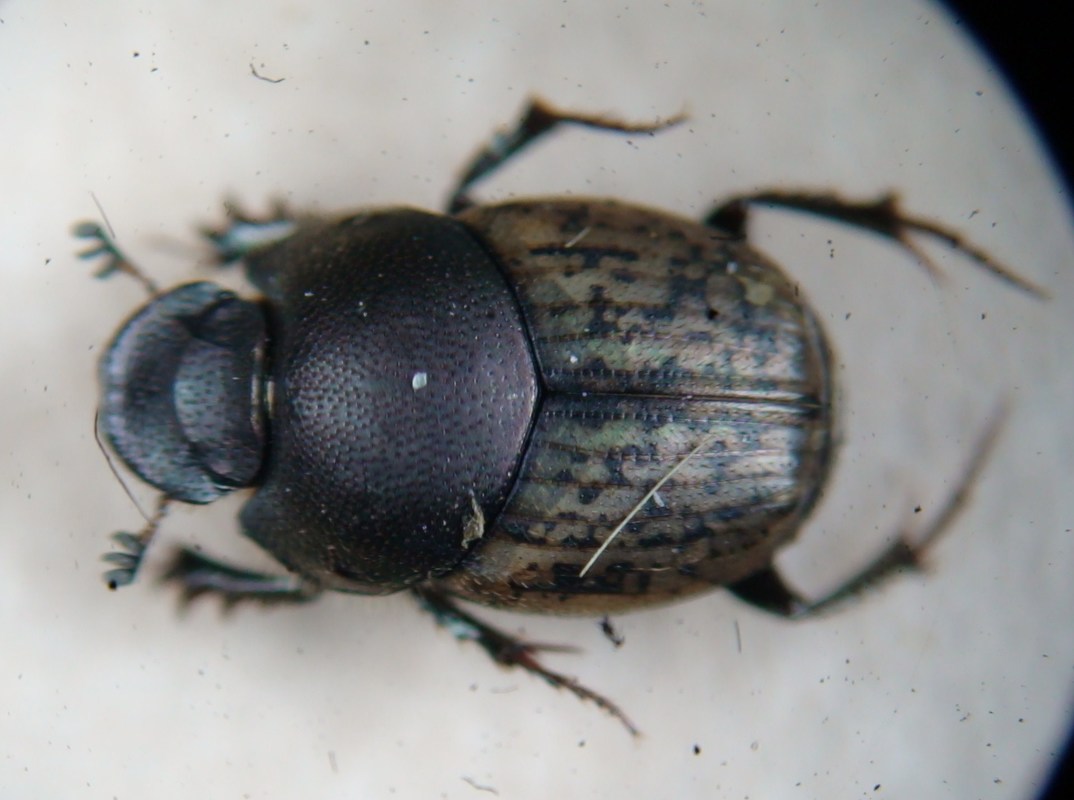
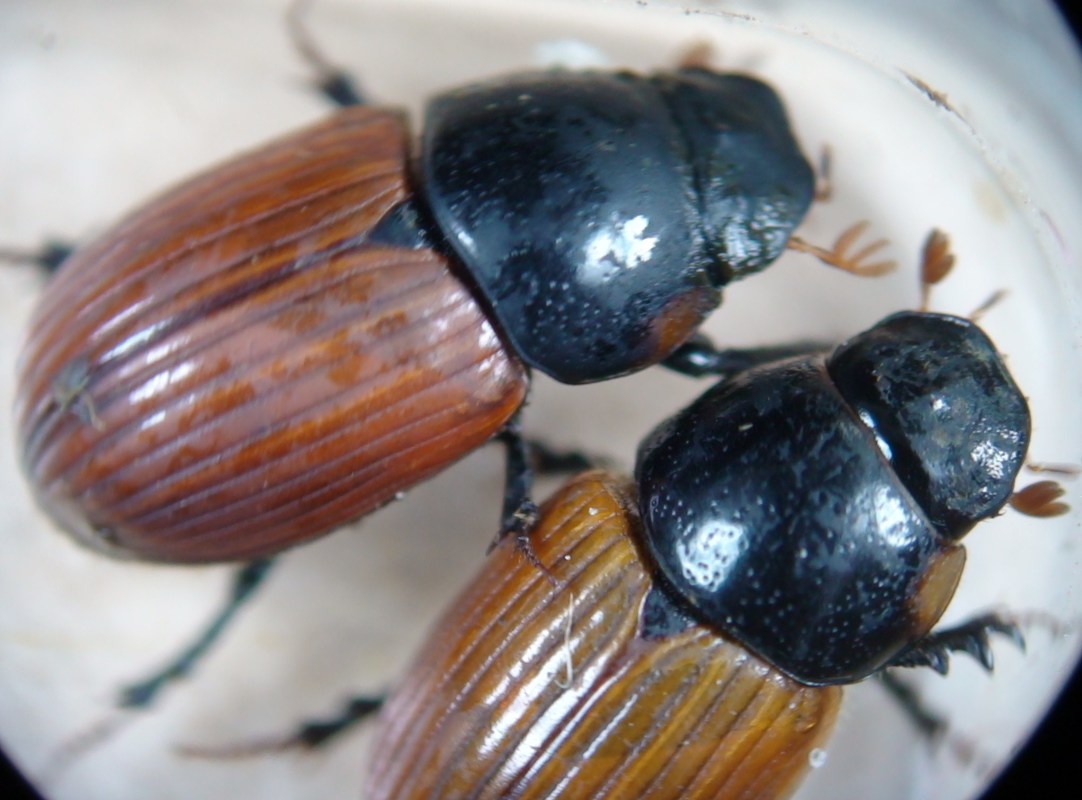
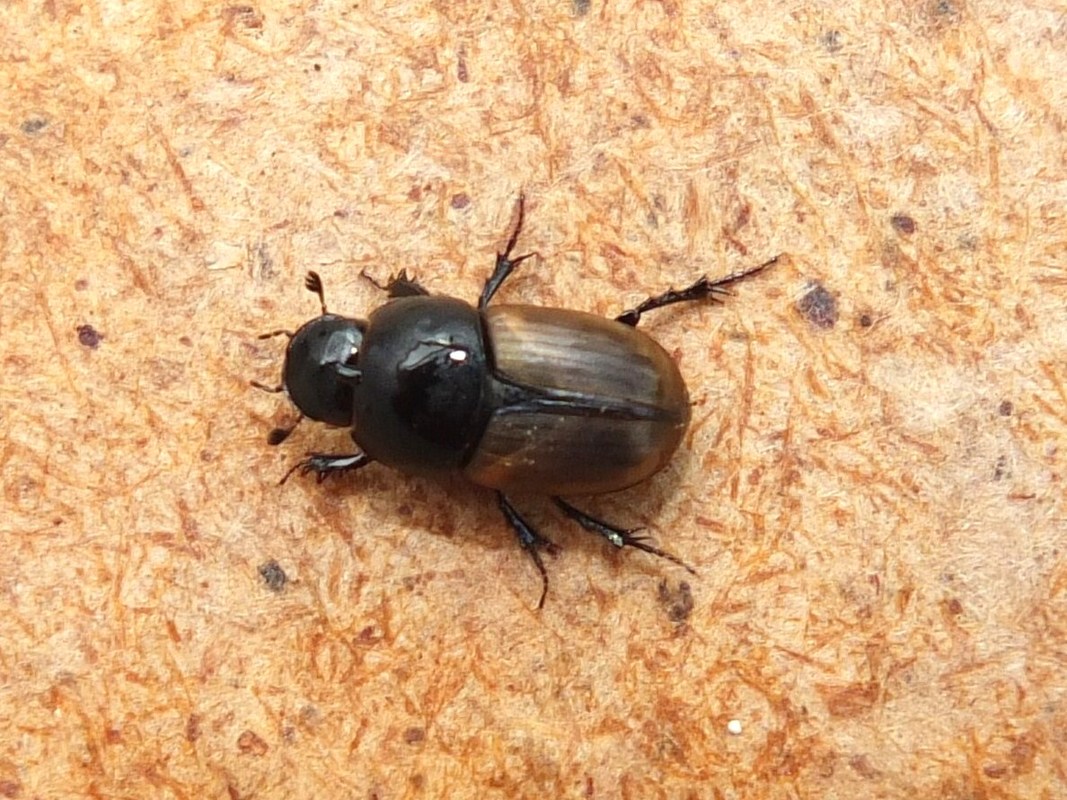
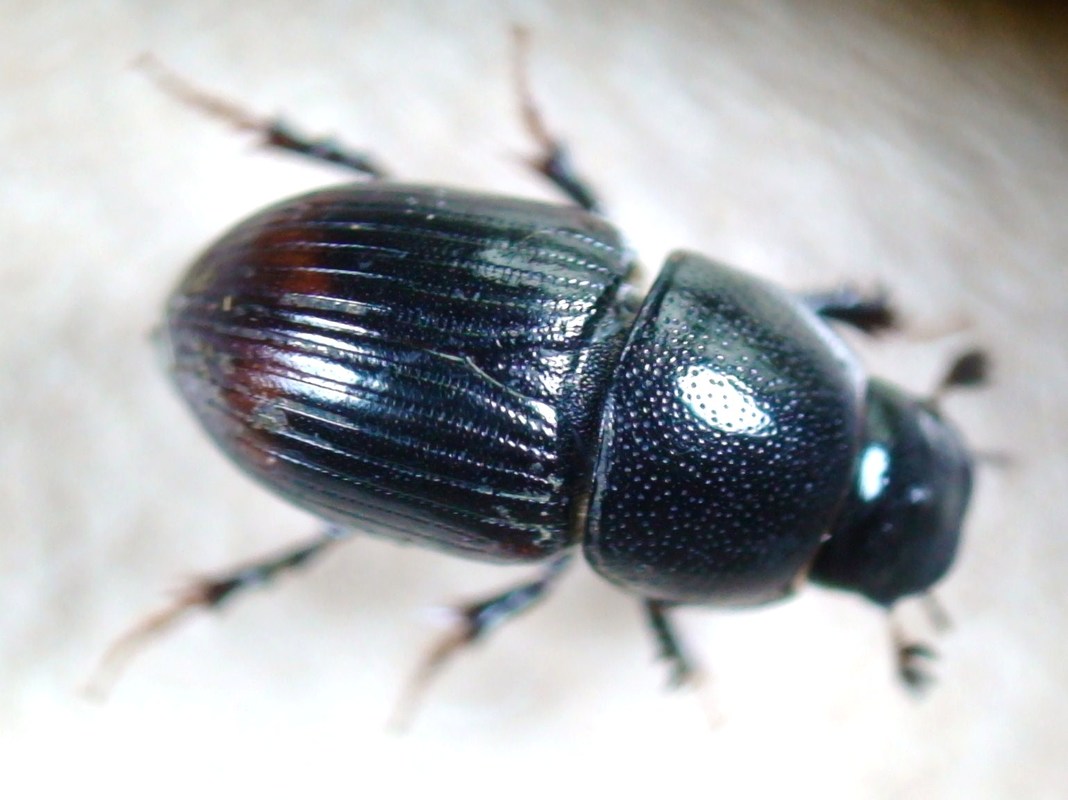
Visitors may well notice that the conservation grazing has resulted in a fair bit of dung, but how many visitors see this as new habitat? Where there is dung there ought to be dung beetles but it takes more than a cursory glance to see them. Initial investigations have identified 19 species of dung beetle in the grazed areas thus far, plus an additional 5 species of water scavenger beetles that live in dung yet are not dung beetles.
On top of that there have been a lot of Rove beetles that I shall happily leave for someone else to identify! Two of the dung beetle species that have been found are Nationally Scarce. Another two species are very important bat food (and this gives scope for bat surveys in that area).
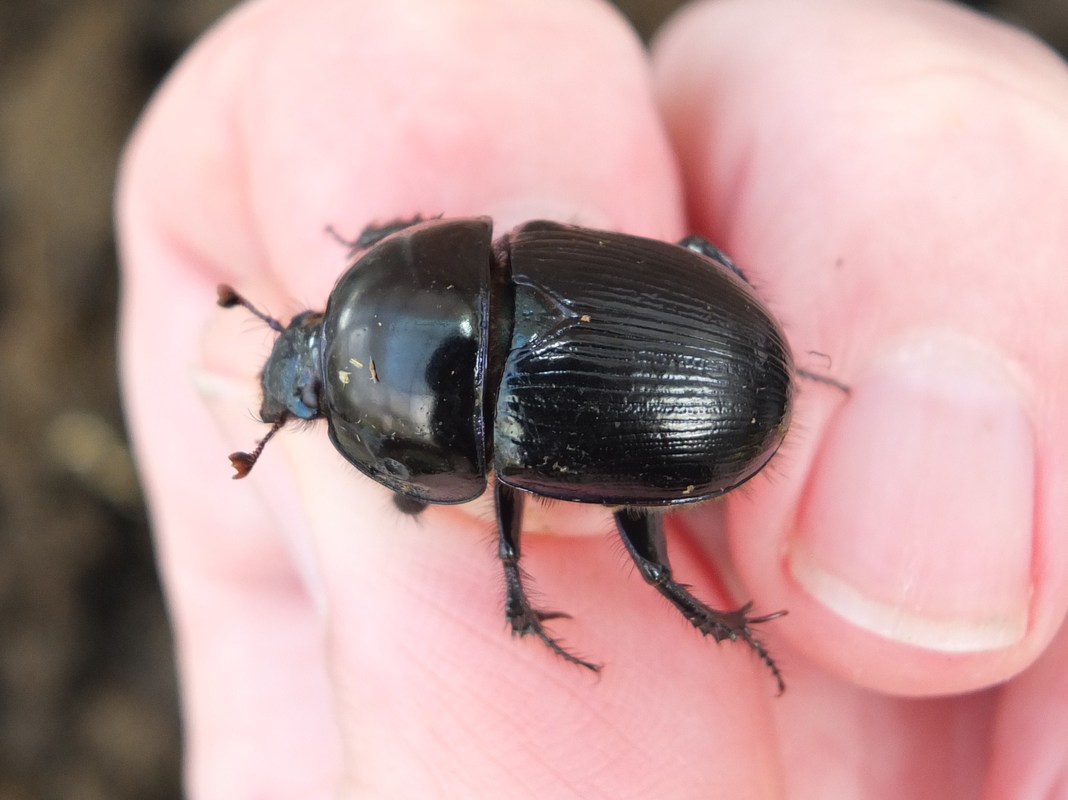
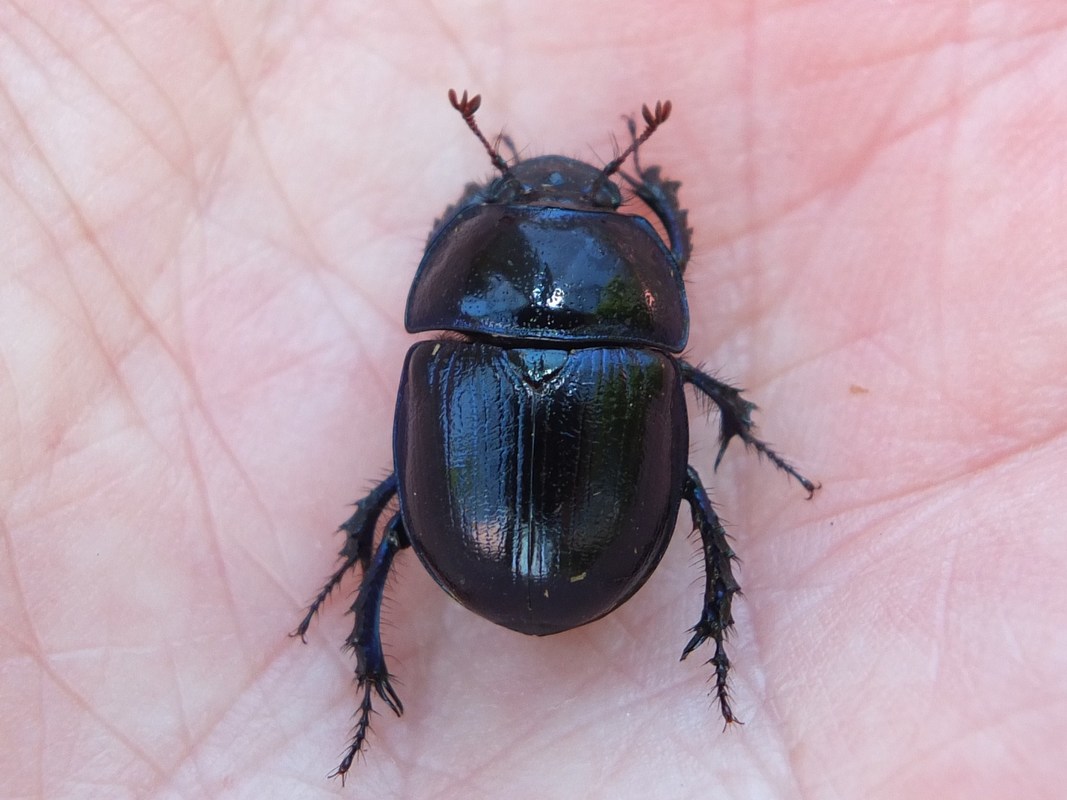
Dung beetles effectively fall into three categories: there are the big Geotrupids (12-26mm), burrowing beetles that can dig a burrow over a metre deep and provision it with dung for the larva (the Dors and Minotaurs), then there are the Onthophagus beetles, native true scarabs (4-11mm) and the Aphodius beetles (3-12mm) that do not burrow deeply but live in dung and their large larvae live in it and on it.
So far the Country Park tally has 3 Geotrupids, 2 Onthophagus and 14 Aphodius species. The significance of dung beetles ought not be underestimated. In the UK there are 100 species of Scarabaeoidea, which includes the Dung Beetles, Chafer and Stag Beetles. Over half of these are dependent on dung.
As part of the on-going Species Status Assessment Project (conducted by Natural England in collaboration with Buglife) a review of the scarce and threatened Dung Beetles and Chafers has been organised by a team based at the Oxford Museum of Natural History. Preliminary results indicate an alarming decline in our Dung Beetle fauna. Just over 25% of UK Dung Beetles are ‘Nationally Rare’ and four species look to have become extinct in the past 50 years. The Status Assessment Project also highlighted the lack of modern records for many of the rare species and noted that many areas of the UK are severely under recorded.
There’s no doubt that Dung Beetles are an important group of insects, particularly for the agricultural environment. Research has estimated that dung beetles save the UK cattle industry £367 million per year. They provide all sorts of ecosystem services, including ‘dung removal’ and others you may not be aware of. For instance, they reduce gastrointestinal parasites of livestock, and nuisance flies, and play a key role in improving soil condition through aeration and nutrient recycling. If you are intrigued by this article and wonder what to look out for when enjoying the Country Park (but don't wish to get your hands dirty) here is a starting point. If you see a burrow hole of around half an inch diameter next to a deposit of dung, whether that dung is from rabbit, sheep, pony, cattle or dog, and if the burrow hole has some friable earth next to it, there is a very high likelihood that it is the burrow of a Dor Beetle or a Minotaur.
Species found thus far:
| Aphodius borealis Aphodius consputus Aphodius contaminatus Aphodius erraticus Aphodius fimetarius Aphodius foetidus Aphodius fossor Aphodius haemorrhoidalis Aphodius pedellus Aphodius prodromus Aphodius rufipes Aphodius rufus Aphodius sphacelatus Aphodius sticticus |
Onthophagus similis Onthophagus vacca |
Anoplotrupes stercorosus Geotrupes mutator Typhaeus typhoeus |
Article by Country Park Volunteer, Derek Binns.